March 4, 2026
In Laos, a greeting is more than a quick “hello” tossed over your shoulder. It is a moment of shared respect and a reflection of the country’s gentle, Buddhist-rooted culture. To travel through this landscape with grace, you must understand the nuances of the Sabaidee.
The first thing you will notice upon landing in Luang Prabang is the word Sabaidee. This is the universal key to Lao communication. Accompanied by a genuine smile, it translates roughly to “I am well” or “Wishing you well.”
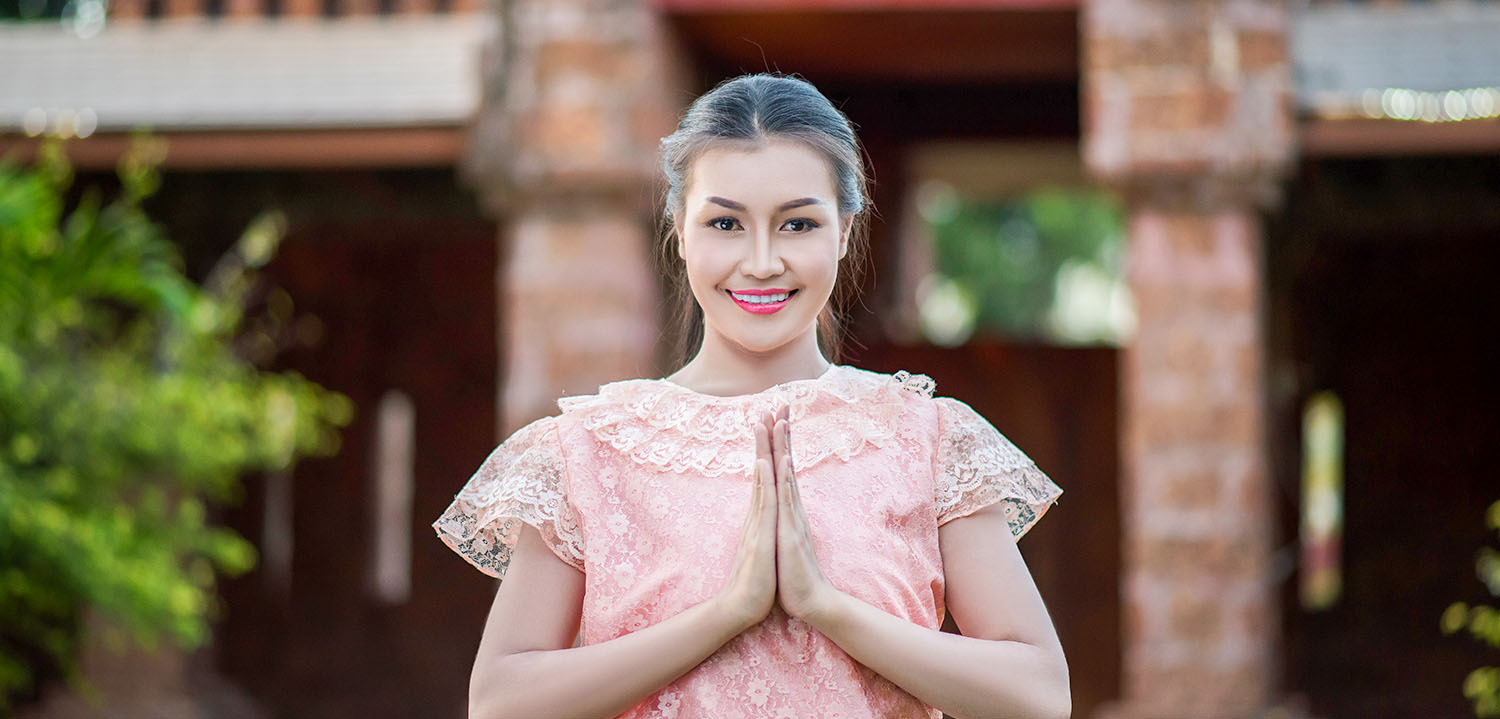
However, in the Land of a Million Elephants, the words are only half the story. The physical gesture that accompanies them is called the Nop, and it is what truly communicates your intent.
The Nop involves placing your palms together in a prayer-like position at chest level. It is a graceful, fluid motion that conveys more than a handshake ever could. Here is the breakdown of how to do it correctly:
Coming from Western cultures, the instinct is often to reach out for a firm handshake or a friendly pat on the shoulder. In Laos, you should pause that impulse.
Physical touch between strangers or even acquaintances is generally discouraged. Touching someone’s head is particularly taboo, as the head is considered the most sacred part of the body. Conversely, the feet are viewed as the lowest and least clean part. Be mindful not to point your feet at people or sacred objects.
Sticking to the Nop avoids potential awkwardness or discomfort. It creates a respectful boundary that allows for a friendly connection without crossing cultural lines.
Laos operates on a “cool heart” (Chai Yen) philosophy. Aggression, loud voices, and frantic gestures are viewed as a loss of face. When you use the Nop and a gentle Sabaidee, you signal that you are a “cool-hearted” traveler who is patient, respectful, and ready to flow with the rhythm of the river.
Common Scenarios: